Dec . 03, 2025 12:20
Inside the World of Soccer Manufacturers: A Veteran’s View
Having spent a handful of years working with industrial equipment makers, I never expected to get so drawn into the nitty-gritty of soccer manufacturers. Oddly enough, the soccer ball market is an interesting mix of traditional craftsmanship and cutting-edge tech—kind of like industrial production but with a sporty spin.
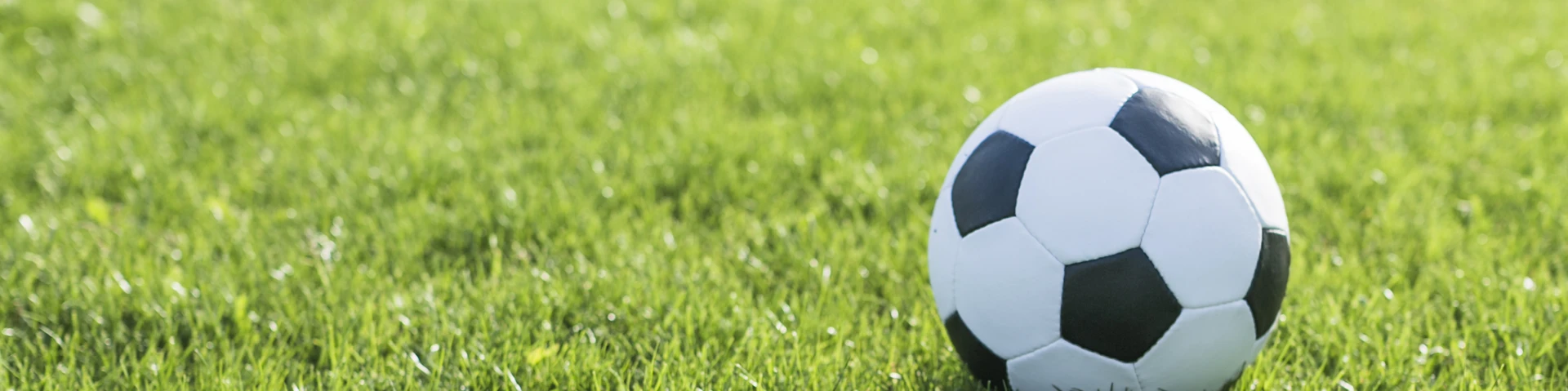
When I first visited a soccer ball manufacturing facility, I was struck by how precise the process is. It’s not just sewing some leather and calling it a day. These balls go through rigorous quality testing—pressure, bounce, even water absorption. You get the real sense teams across the world rely on these engineering feats to perform every match day.
What really fascinates me is the choice of materials. It used to be mostly leather, which was heavy and absorbed water, making the ball unpredictable. Today, manufacturers are using high-tech polyurethane and composite layers to make balls lighter but durable. You know, it feels like every new generation of balls tries to balance control, responsiveness, and longevity.
| Feature | Standard Ball Specs | Premium Ball Specs |
|---|---|---|
| Material | Synthetic Leather | Thermally Bonded PU |
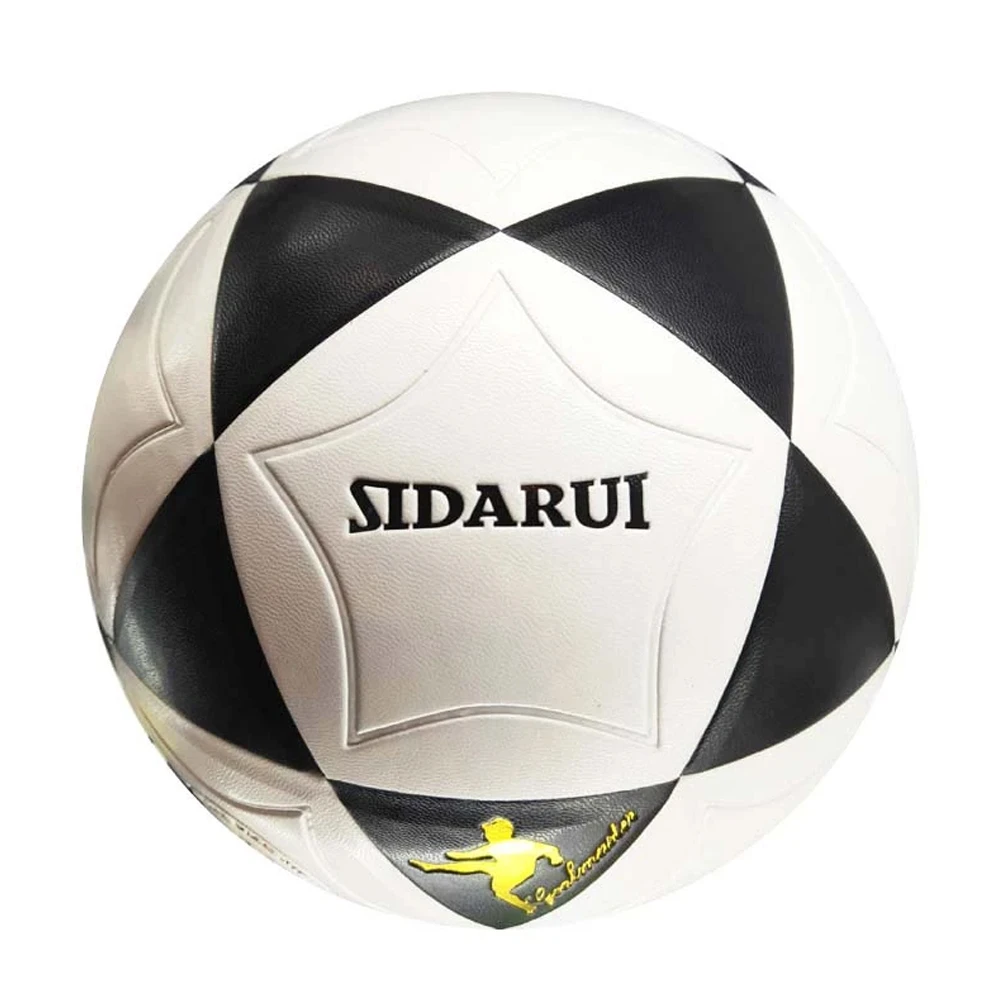
| Panel Construction | 32 Panels, Stitched | 14 Panels, Thermal Welded |
| Weight | 420-450 g | 430-440 g |
| Water Resistance | Low | High |
| Durability | Medium | High |
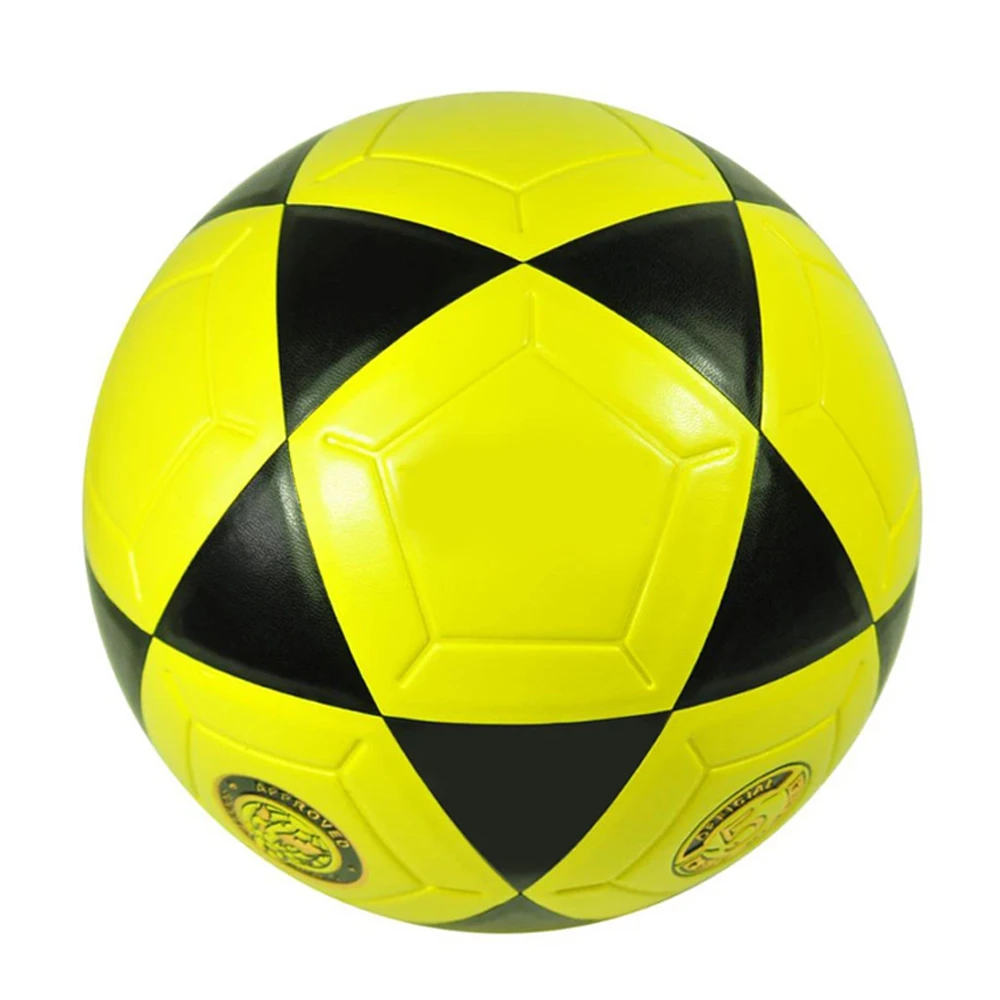
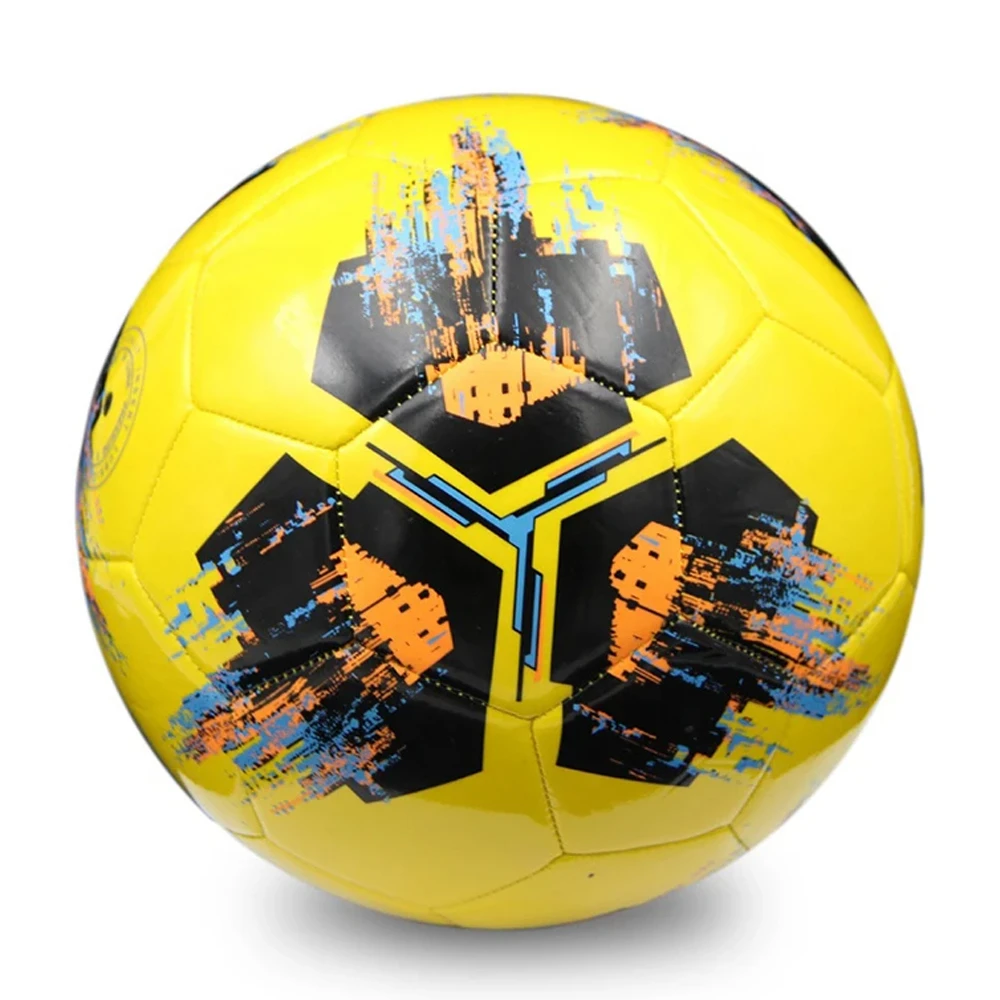
One thing I noticed over time: customization is king. Manufacturers tailor balls per league or client specs — colors, logos, even panel arrangements. It’s a bit like industrial equipment custom orders, where specs matter down to the millimeter. For example, I remember a mid-level manufacturer who worked closely with clubs to embed GPS tracking sensors inside the ball. Pretty cool, right? That kind of integration is becoming increasingly common in pro sports tech.
| Manufacturer | Main Strengths | Price Range (USD) | Notable Clients |
|---|---|---|---|
| StarryBalls | Innovative materials, Custom branding | $50–$150 | Youth leagues, Semi-pros |
| ProBounce | Precision stitching, Durability | $60–$200 | Professional teams |
| EcoPlay | Sustainable materials, Lightweight | $40–$120 | Grassroots clubs, schools |
From my chats with field engineers and QA specialists, many say the best soccer balls feel “just right” — not too firm but responsive. That’s achieved by blending manufacturing precision with material science, a combo that’s kind of what makes this market tick. And trust me, getting that mix wrong means a defective ball, which no club wants mid-season.
If you’re scouting to buy a ball, think about how it’ll be used: turf or grass, training or tournament. Materials and construction vary a ton, and yes, the price often reflects durability and tech inside. But for clubs wanting something dependable with cool customization options, soccer manufacturers like StarryBalls offer a solid balance between performance and innovation.
To close, it’s been a neat ride learning that even a basic piece of sporting gear hides layers of tech, testing, and tradition. The next time you see a ball flying across a pitch, you might just appreciate the decades of design and care stitched inside.
References:
1. Industry talks with manufacturing engineers, 2023
2. Soccer ball material science overview, Journal of Sports Technology, 2022
3. Customization trends in sports equipment, Sports Tech Today, 2024