Dec . 01, 2025 18:15
Understanding the Importance of Futsal Ball Size 4 in Modern Play
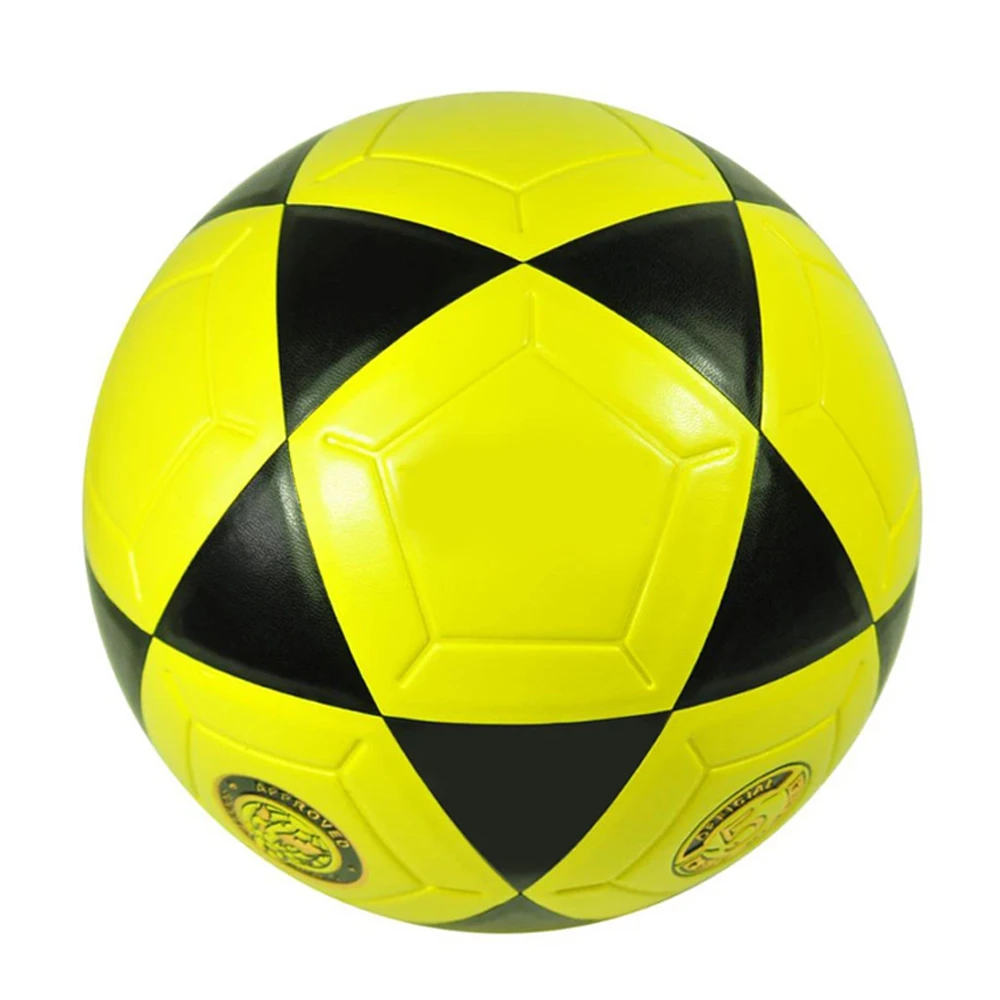
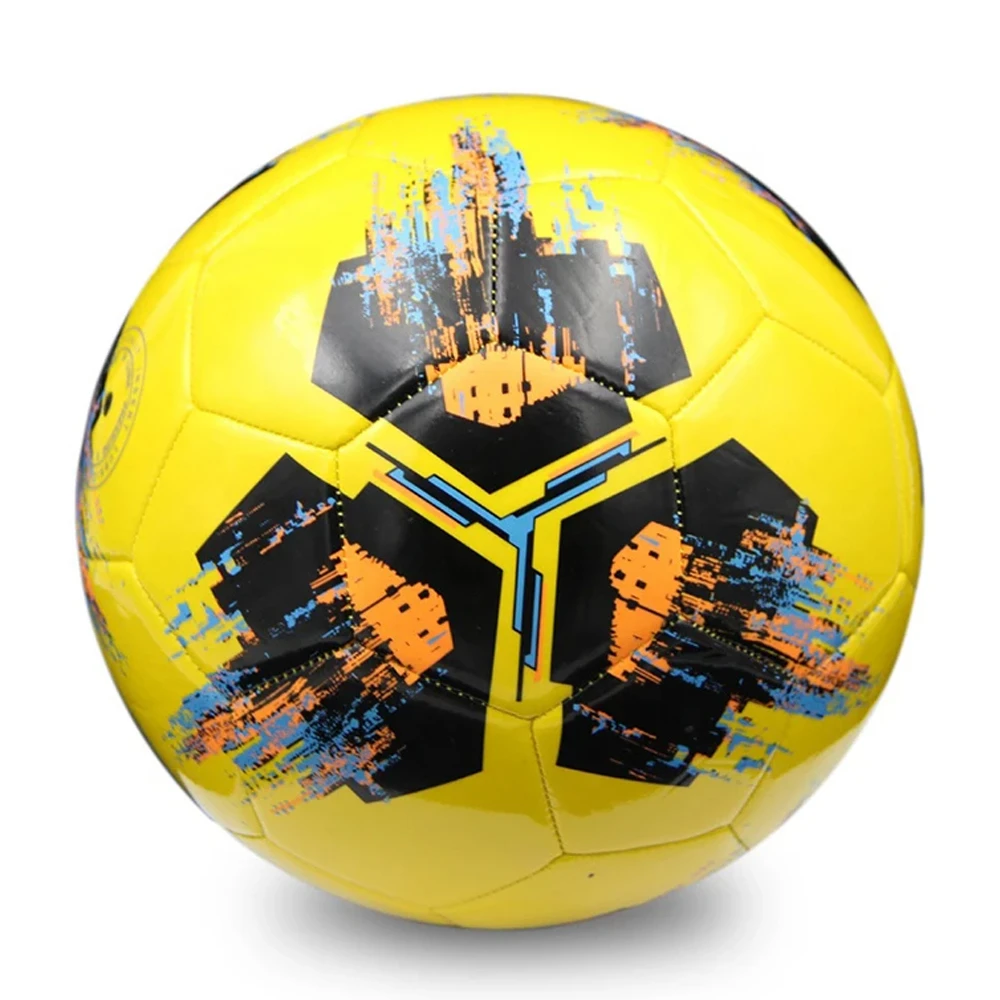
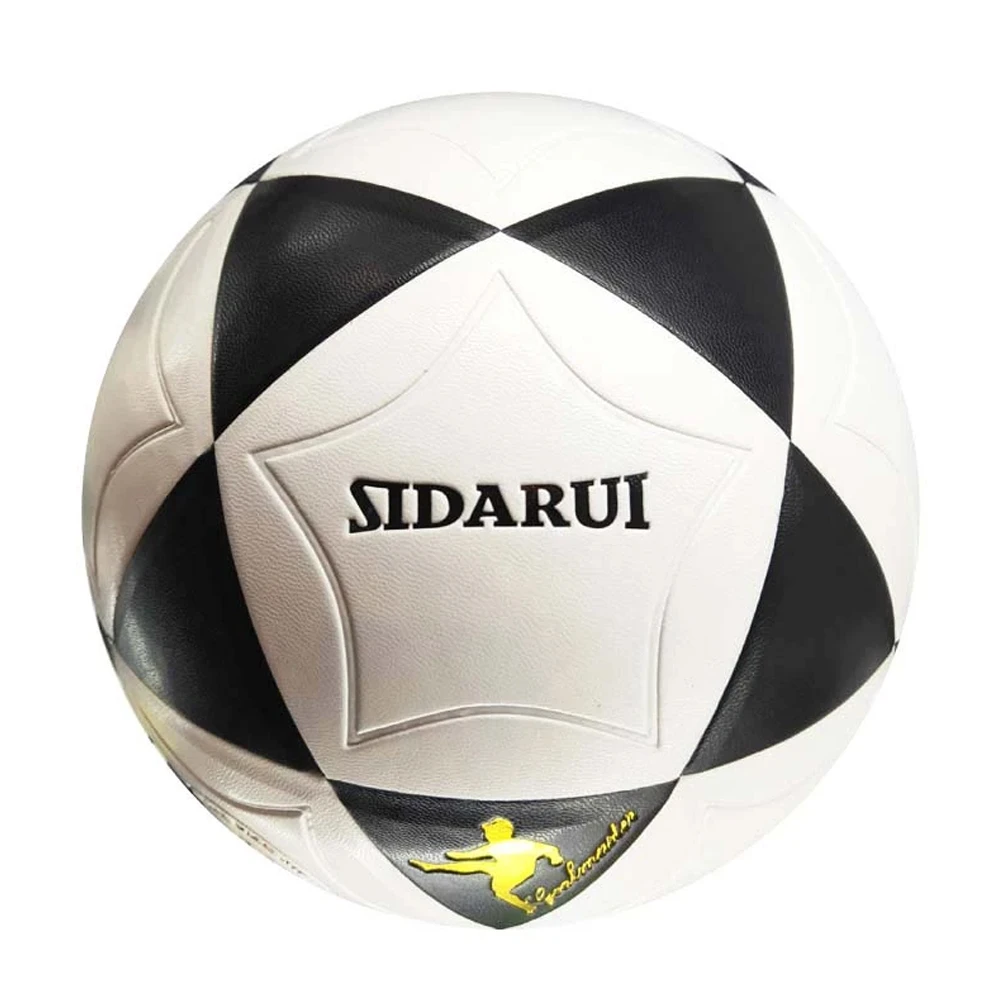
At first glance, a futsal ball might just look like a smaller soccer ball — but the futsal ball size 4 holds a very special place in the global sports arena. Known for its tailored design and specific dimensions, this ball affects game quality, player development, and even local communities' engagement with the sport. In a world where futsal’s popularity is surging, especially in urban regions and youth leagues, grasping why the size and quality of these balls matter is more than just technical trivia; it’s about connection, fair play, and growth.
Global Context: Why Futsal Ball Size 4 Matters Worldwide
You might wonder why there’s a fuss around the exact size of a futsal ball. Well, globally, futsal has become a grassroots powerhouse mainly because it fits into smaller spaces, indoors or out, and is more accessible than traditional full-sized soccer. According to FIFA, futsal has grown by over 10% yearly in registered players, with youth leagues skyrocketing in popularity across Europe, Latin America, and now even parts of Asia and Africa. But with that growth comes a challenge: ensuring consistency and quality. The futsal ball size 4 specification solves this by standardizing the ball's diameter and weight, ensuring fair play and skill development.
Think about it this way: in futsal, where ball control and rapid plays dominate, an incorrect ball size or weight can totally disrupt the game’s rhythm. That’s a problem especially in leagues training the next generation of soccer heroes or communities where resources for proper equipment are scarce.
Mini Takeaway:
The futsal ball size 4 is a key enabler of uniform, high-quality play, answering a growing need worldwide for accessible, competitive futsal.
What Exactly Is a Futsal Ball Size 4?
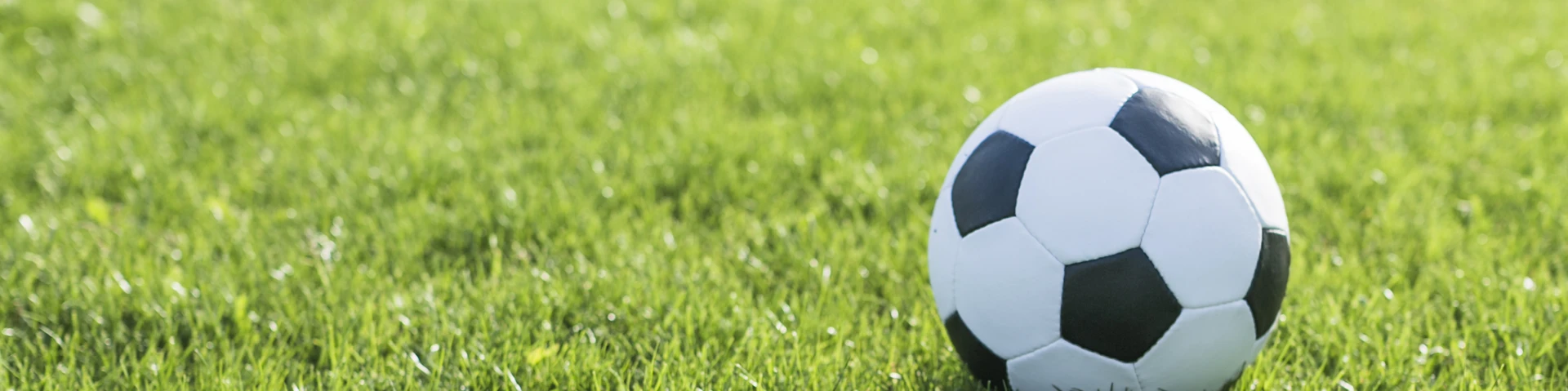
Let’s break it down: a futsal ball size 4 is the officially recognized ball size for futsal matches under certain age categories and skill levels (mostly youth and intermediate levels). Compared to the typical soccer ball (which is size 5), the size 4 futsal ball usually measures about 24 to 25 cm (roughly 9.4 to 9.8 inches) in circumference and weighs between 400 to 440 grams — a bit smaller and lighter than standard adult balls, but designed for a lower bounce and improved control on hard indoor floors.
Its relevance ties directly to modern sports training methodology. Coaches rely on these precise specifications to teach ball skills, precision, and quick gameplay without overburdening younger athletes. Plus, in urban centers where space is the biggest constraint, size 4 futsal balls perfectly balance playability with environmental needs.
Core Elements that Define the Futsal Ball Size 4
1. Low Bounce Design
Unlike traditional soccer balls, futsal balls — especially size 4 — have less bounce, thanks to reduced internal pressure and specific materials in the bladder. This impacts how players dribble, pass, and shoot, emphasizing technique.
2. Weight and Diameter Impact
The science behind weight helps in control precision. While lightness is good, too light a ball can make controlled plays unpredictable. The size 4's carefully calibrated weight offers that sweet spot.
3. Material Quality and Durability
Since futsal courts often range from indoor wood to artificial turf, the outer cover and stitching of size 4 balls need to withstand abrasion without losing feel. Synthetic leather and reinforced layers are common.
4. Air Retention (Bladder Technology)
Efficient air retention ensures consistent play across matches — especially useful in countries with variable climates.
5. Regulatory Compliance
Adhering to FIFA and national federations’ standards guarantees eligibility for official match use, aiding in fair competition worldwide.
Mini Takeaway:
The futsal ball size 4 is carefully engineered not just to fit a size classification, but to enhance play quality, durability, and match regulations.
Global Applications and Real-World Examples
The sheer variety of futsal play settings worldwide demonstrates how essential proper ball sizing is. In Brazil, for example, youth training academies swear by the size 4 futsal ball to build footwork skills early, feeding into their powerhouse soccer system. Meanwhile, in European urban centers with limited outdoor fields, the smaller ball size helps keep the game flowing indoors, even in tight community gyms.
In regions recovering from infrastructure disruptions or natural disasters, NGOs have incorporated futsal ball size 4 into youth engagement programs — offering a safe, skill-building outlet when traditional sports facilities are unavailable. It’s also noteworthy that schools in Asia, where futsal growth is steep, have embraced standardized ball sizes to align with international competitions.
Product Specification Table for a Typical Futsal Ball Size 4
| Specification | Details |
|---|---|
| Circumference | 24 – 25 cm (9.4 – 9.8 inches) |
| Weight | 400 – 440 grams |
| Material | Synthetic leather with reinforced stitching |
| Bounce | Reduced bounce, optimized for control |
| Color Options | Various bright colors for visibility indoors |
| Certification | FIFA Quality Pro or equivalent |
Top Futsal Ball Size 4 Vendors Compared
| Vendor | Price Range (USD) | Durability Rating | Official Approval | Customer Feedback |
|---|---|---|---|---|
| StarryBalls | $30 - $45 | 9/10 | FIFA Quality Pro | Top marks for feel and longevity |
| EliteKick | $25 - $40 | 8/10 | FIFA Standard | Good control, moderate wear resistance |
| UrbanPlay | $20 - $35 | 7/10 | No official certification | Affordable but less durable |
Advantages: Why Choosing the Right Futsal Ball Size 4 Matters
- Enhanced Skill Development: Smaller size and control-focused design help players improve touch and precision.
- Improved Safety: Lower bounce and lighter weight reduce injury risks in high-speed indoor games.
- Cost Effectiveness: Durable materials mean less frequent replacement, especially important for schools and clubs.
- Environmental Sustainability: Many manufacturers adopt eco-friendly production methods for indoor balls.
- Inclusivity: Designed specifically for younger and intermediate players, the ball promotes broader participation.
Mini Takeaway:
Investing in a high-quality futsal ball size 4 isn’t just about better performance—it touches safety, budget, and social impact.
Looking Ahead: Trends & Innovations in Futsal Ball Design
The future’s bright for size 4 futsal balls. Already, manufacturers are experimenting with sustainable materials such as biodegradable synthetic leather and recycled polyurethane. Smart balls with embedded sensors that track spin, speed, and strike accuracy are edging closer to mass adoption, which may revolutionize training regimes.
Also, an increasing focus on standardized indoor sports environments drives innovation in ball air retention and adaptive bouncing technologies, ensuring consistent gameplay regardless of venue conditions.
Challenges in Current Use & Practical Solutions
Of course, no product is perfect. Some users report inconsistent bounce performance when balls are used on mixed surfaces or improperly inflated. There’s also the ongoing challenge of quality variations in budget models flooding some markets.
The answer? Investing in certified brands and educating coaches on proper storage and inflation keeps balls performing as intended. For regions with limited resources, partnerships between sports federations and manufacturers help subsidize quality futsal ball size 4 options.
FAQ: Common Questions About Futsal Ball Size 4
Q1: What makes futsal ball size 4 different from regular soccer balls?
A: The main differences are size, weight, and bounce. Size 4 futsal balls are smaller, lighter, and designed to have less bounce to suit indoor, smaller court play, which encourages ball control and technical skills.
Q2: Can futsal ball size 4 be used outdoors?
A: While they can be used outdoors, futsal size 4 balls typically perform best on indoor or hardcourt surfaces. Rough outdoor surfaces may reduce their lifespan due to abrasion.
Q3: How do I choose a quality size 4 futsal ball?
A: Look for certified balls with FIFA Quality or similar approval, check materials (synthetic leather with reinforced stitching), and consider user reviews about durability and feel.
Q4: Are there specific age groups recommended for futsal ball size 4?
A: Yes, size 4 balls are typically aimed at youth and intermediate players, roughly ages 8 to 12, though some leagues use them for adults in recreational play.
Wrapping Up: Why Futsal Ball Size 4 Is Worth Your Attention
Choosing the right futsal ball size 4 is more than a detail—it’s a foundation stone for great futsal experiences. From youth training to community leagues, this ball supports skill, fairness, and growth while fitting the evolving needs of modern futsal players worldwide.
Curious to see what makes the best balls stand out? Visit our site at https://www.starryballs.com and dive into our selection and resources that help you pick your perfect futsal companion.
A quick last thought...
It’s fascinating how a simple detail like ball size influences an entire sport’s development and culture. Now, when you see those nimble futsal players weaving on the court, you might just appreciate the magic of the right-sized ball beneath their feet.