Dec . 03, 2025 10:30
Understanding Soccer: More Than Just a Game
Soccer, the beautiful game, truly is a global phenomenon. It captivates billions, cuts across cultures, and even shapes economies. But beyond the stadium cheers and packed bleachers, understanding soccer’s reach and influence sheds light on social, economic, and even humanitarian impacts worldwide.
Why does this matter? Well, soccer connects realms — from grassroots communities in remote villages, to high-stakes international tournaments and the sports industry that generates billions annually. The more we understand soccer, the more we appreciate how it fosters unity, health, and opportunity. Whether you’re a casual fan or an industry insider, the global importance of soccer transcends the pitch.
Introduction: Soccer’s Worldwide Impact
Soccer is the world’s most popular sport, boasting an estimated 4 billion fans — that’s over half the global population! According to FIFA statistics and the Wikipedia article on soccer, it’s played in nearly every country, with professional leagues spanning continents. Economically, the soccer industry is valued in the tens of billions of dollars annually, creating jobs in sports, media, and merchandising.
Despite this massive popularity, there remain challenges — like accessibility in underprivileged communities or issues tied to gender inequality in sports. Broadly, soccer still has hurdles in outreach and inclusivity, making it an area ripe for innovation and social development. This connection between global passion and social impact particularly excites me.
What Exactly is Soccer?
Simply put, soccer is a team sport where two sides aim to score goals by getting a ball into the opposing team’s net — using primarily their feet, though other body parts except hands are allowed.
Modern soccer isn’t merely about athletics. It’s a cultural industry, recreational outlet, and social glue that influences everything from youth development and education to urban planning and even diplomacy. For example, soccer programs are often embedded in humanitarian aid to promote health and community rebuilding after crises.
Core Components of Soccer
1. Accessibility
To truly globalize soccer, fields, equipment, and training must be affordable and reachable. This means making balls, kits, and even shoes available at low costs and appropriate to climates and regions.
2. Skill Development
Focused youth coaching, from grassroots to professional academies, fosters both physical and mental agility. Soccer skills contribute to teamwork, discipline, and confidence.
3. Infrastructure
From local pitches to stadiums, the quality and availability of infrastructure not only determine play conditions but also community engagement.
4. Governance and Regulations
FIFA and regional bodies set the rules, but equitable and transparent governance is necessary to ensure fair play and growth across genders and social strata.
5. Economic Ecosystem
The sport fuels media rights, sponsorships, merchandising, and tourism, which loosely tie into local development cases.
Global Applications & Use Cases of Soccer
- Community Development: NGOs launch soccer programs to build youth leadership and foster peace in conflict zones (e.g., in parts of Africa and Latin America).
- Health Promotion: Soccer encourages physical activity worldwide, combating sedentary lifestyles linked with urban growth.
- Economic Boosts: Hosting international tournaments can revitalize cities—think the 2010 World Cup in South Africa or Qatar’s 2022 event.
- Women’s Empowerment: Soccer academies for girls provide opportunities where traditional roles limit sports involvement.
These examples demonstrate soccer’s far-reaching application, touching on public health, economics, and social inclusion.
Advantages and Lasting Value of Soccer
One can’t help but admire soccer’s simple yet powerful benefits:
- Cost-Effectiveness: Basic gear is affordable and reusable.
- Physical and Mental Health: Enhances cardiovascular fitness, coordination, and social skills.
- Social Connectivity: Crosses cultural, language, and socio-economic barriers.
- Innovation: Technology (like VAR) improves fairness and fan experience.
Emotionally, soccer creates a sense of identity and belonging. People root for teams not just for sport but for pride and dignity. It fosters trust among communities who might otherwise feel disconnected.
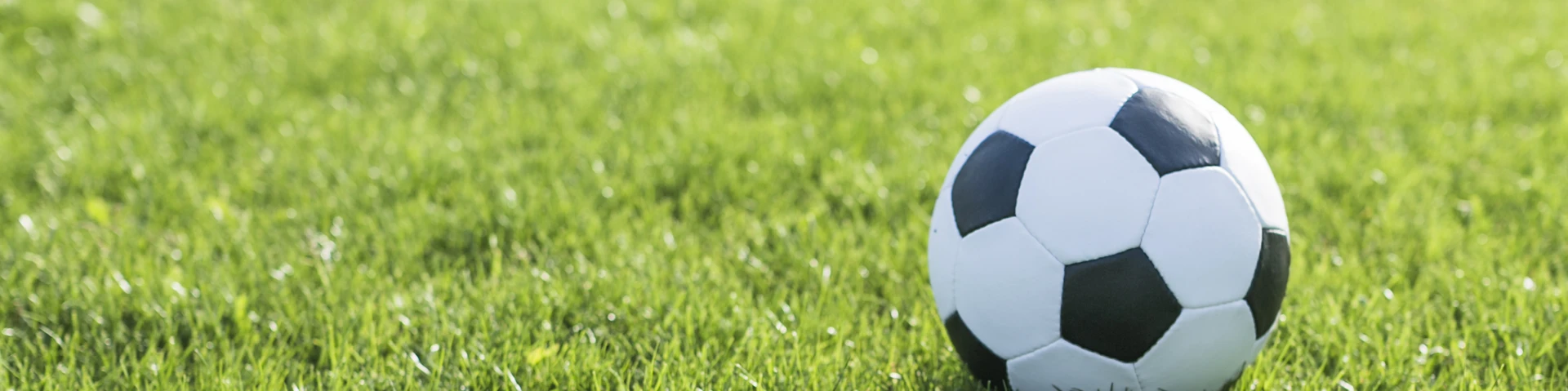
Product Specification: Typical Soccer Ball
| Specification | Detail |
|---|---|
| Material | Synthetic leather (polyurethane) |
| Circumference | 68–70 cm |
| Weight | 410–450 grams |
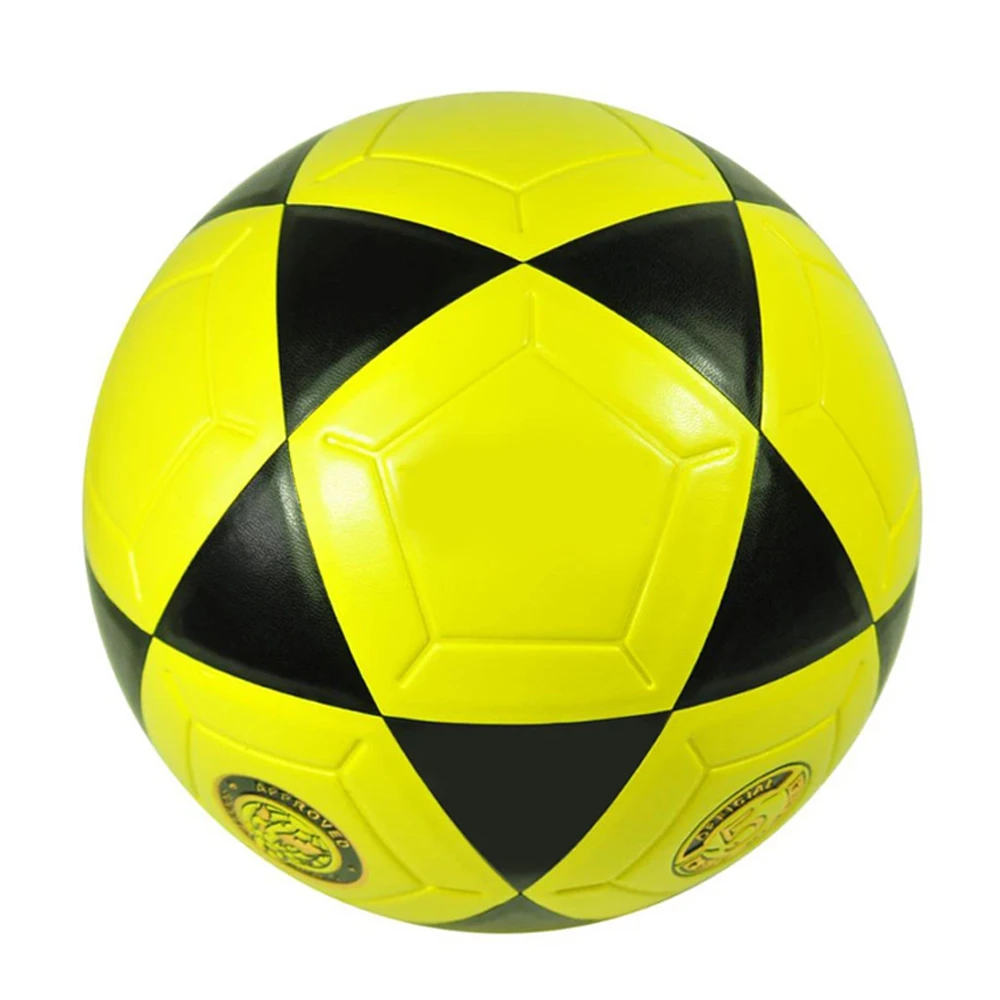
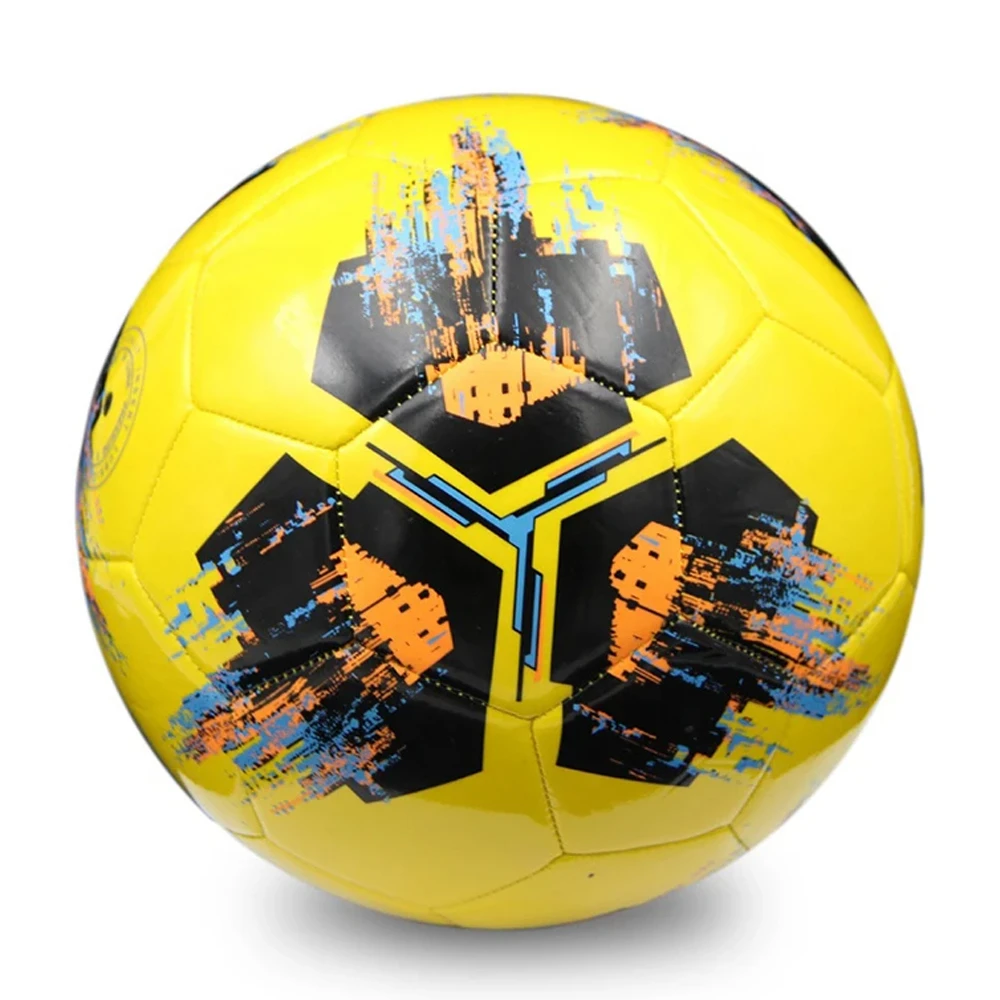
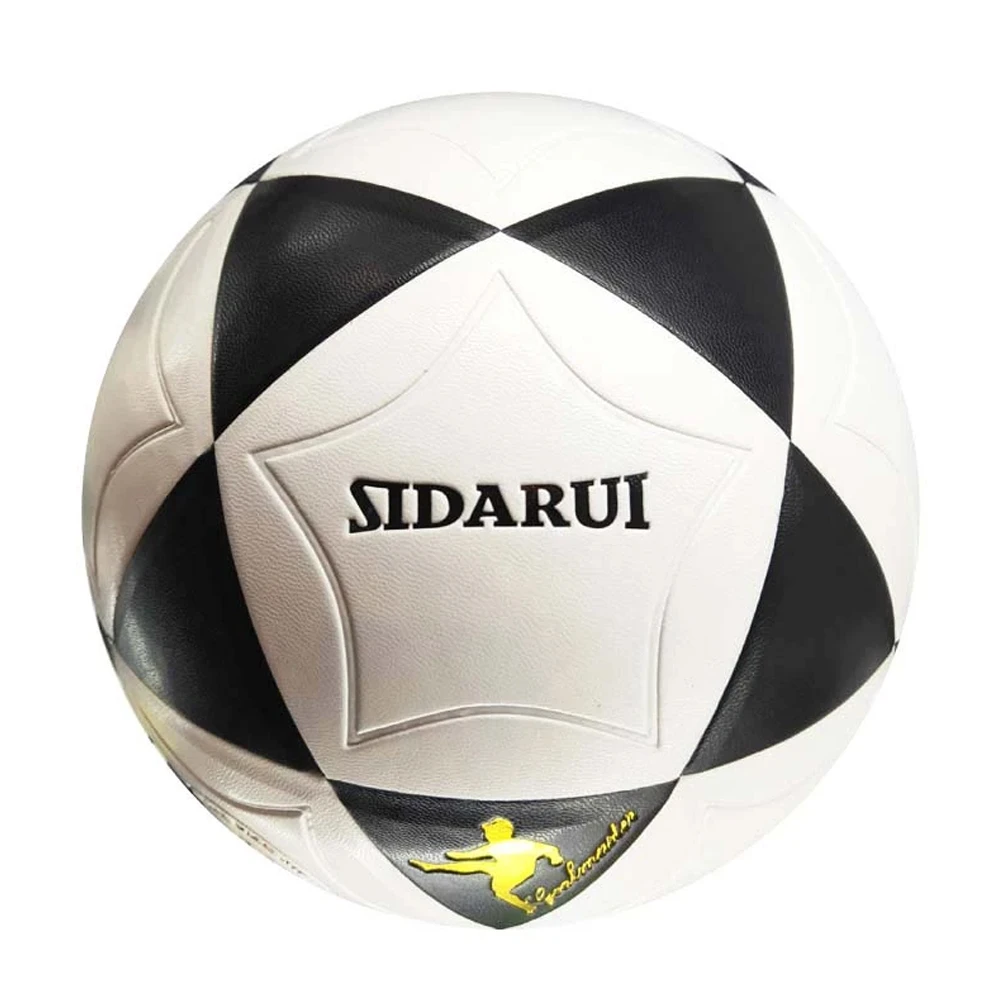
| Panels | 32 stitched panels (traditional), thermally bonded alternatives |
| Pressure | 0.6–1.1 atmosphere (600–1100 g/cm²) |
Vendor Comparison: Top Soccer Ball Manufacturers
| Brand | Quality | Price Range | Sustainability | Popularity |
|---|---|---|---|---|
| Adidas | Top-tier (used in FIFA World Cup) | $30 - $150+ | Eco-friendly initiatives ongoing | Very High |
| Nike | High-quality, innovative materials | $25 - $130 | Commitment to sustainability | Very High |
| Puma | Reliable, durable | $20 - $100 | Moderate eco-efforts | High |
| Select | Professional-grade, handmade | $60 - $180 | Emerging eco practices | Medium |
Future Trends & Innovations in Soccer
Soccer is evolving — honestly, the technology behind it is fascinating. For example, the integration of wearable trackers helps players and coaches analyze physical performance real-time. The advent of sustainable materials for balls and kits is becoming more pronounced, addressing environmental concerns.
Additionally, digital transformation via augmented reality (AR) and virtual reality (VR) enhances fan experience remotely. Automation in stadium operations and AI-driven analytics are expanding tactical knowledge and fairness. Even grassroots initiatives are leveraging online platforms to coach distant communities.
Challenges and Solutions in Modern Soccer
Despite the game's popularity, soccer faces hurdles: uneven access in low-income areas, gender disparity, and corruption within governing bodies. However, organizations like FIFA and various NGOs continually push reforms and grassroots programs. Innovations such as low-cost synthetic balls and solar-powered stadiums help bring soccer where it’s needed most.
What many experts stress is that sustainability and inclusion must grow hand-in-hand with commercial success — otherwise soccer risks alienating core communities who made it global in the first place.
Frequently Asked Questions About Soccer
- How does soccer promote social inclusion?
- Soccer’s simplicity and accessibility allow people of different ages, backgrounds, and abilities to participate, building community bonds and reducing social barriers.
- What makes soccer balls suitable for different environments?
- Materials like synthetic leather and innovative panel bonding ensure durability and weather resistance, making soccer balls effective both indoors and outdoors, in various climates.
- How long does a soccer ball typically last?
- High-quality soccer balls can last anywhere from several months to years depending on usage frequency, playing surface, and maintenance.
- Are there environmentally friendly soccer products?
- Yes, brands increasingly offer balls and apparel using recycled materials and sustainable manufacturing processes to reduce environmental impact.
- How can local clubs acquire affordable soccer gear?
- Nonprofits often collaborate with manufacturers to offer subsidized or donated gear, making soccer accessible to underserved communities.
Conclusion: The Enduring Power of Soccer
Soccer is more than sport — it’s a driving force for connection, health, and opportunity worldwide. It’s thrilling to see how this simple game continues adapting to the future’s challenges while uniting billions. If you want to dive deeper into soccer’s impact and the latest gear and programs, don’t hesitate to visit us at https://www.starryballs.com. After all, soccer isn’t just a game — it’s a shared global experience.
Mini Takeaway: Understanding soccer goes beyond rules and goals — it reveals a web of social, economic, and cultural threads binding billions globally.
References: